Which Marketing Approach Actually Helps Sell Vacant Land Faster?
Selling vacant land has always been harder than selling houses.
With a home, buyers can immediately picture themselves living there. They can see the kitchen, imagine furniture placement, walk through rooms, and emotionally connect to the property.
Vacant land is different.
To most buyers, raw land looks like dirt, trees, brush, and uncertainty.
Questions immediately start flooding in:
•What could I build here?
• How usable is this property?
• Will this lot actually work for my plans?
• What does the surrounding area feel like?
• Is this land worth the asking price?
And when buyers feel uncertain, momentum disappears.
That is exactly why land marketing matters more than ever.
For years, sellers relied heavily on drone footage and professional videography to make vacant land more appealing. While those tools still have value, modern buyers increasingly expect more than a polished flyover video.
They want interaction. They want clarity. They want confidence.
That raises an important question:
When marketing vacant land, is traditional videography still enough—or is an interactive property experience becoming the better option?
In this article, we compare traditional videography and ParcelView3D to help land sellers understand which approach may work best for their goals.
The Challenge With Marketing Vacant Land
Vacant land has a unique problem:
Buyers struggle to visualize possibility.
A buyer looking at a wooded lot might struggle to understand:
• Whether the terrain feels buildable
• What the surrounding area looks like
• How a future home or project could fit the property
• Whether the property feels isolated or accessible
• What life on the land could actually look like
Without confidence, many buyers stop responding.
The goal is not simply to show land. The goal is to help buyers understand land.
What Traditional Videography Does Well
Professional videography can be extremely effective.
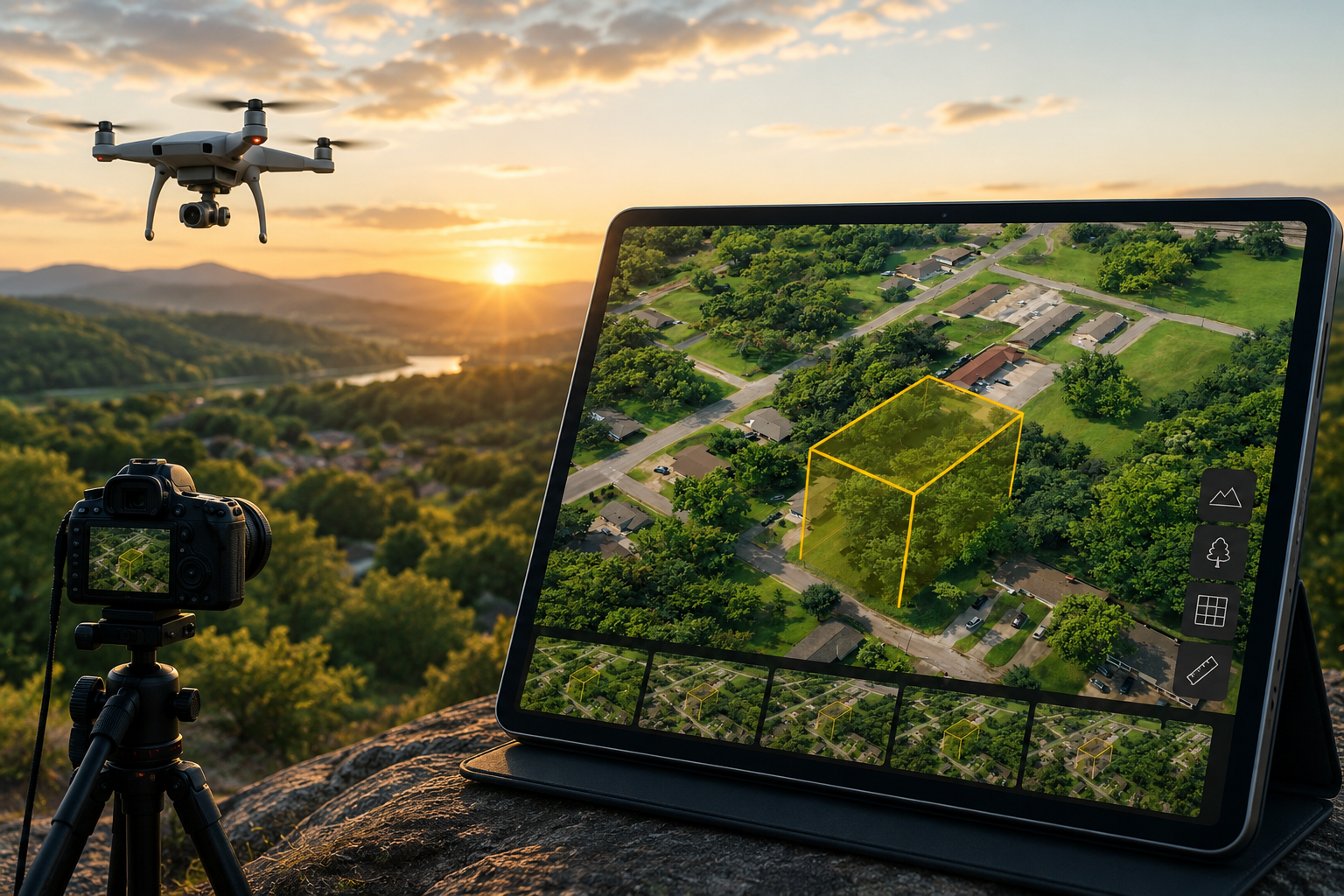
Drone footage, cinematic editing, music, and storytelling can create emotional appeal—especially for premium or highly scenic properties.
A professionally edited property video can:
• Showcase surrounding landscapes
• Highlight nearby lakes, mountains, or attractions
• Create an emotional first impression
• Make a listing feel more premium
• Increase engagement on social media
Where Traditional Property Videos Fall Short
- Buyers Can Only See What the Camera Shows
Traditional property videos are passive. The videographer decides what angles buyers see.
The buyer cannot:
• Explore the property independently
• Change perspectives
• Zoom into areas of interest
• Interact with the experience
- One Video Cannot Answer Every Buyer Question
Every buyer views land differently. Traditional videos typically follow a fixed narrative, but buyers want personalized exploration.
- Videography Can Be Expensive to Scale
For sellers with multiple listings, traditional videography can become difficult to scale due to:
• Scheduling shoots
• Travel coordination
• Weather delays
• Editing turnaround times
• Re-shoots for updates
- Videos Become Outdated
Land listings change frequently. Pricing updates, terms change, and new visuals may be needed.
What ParcelView3D Brings to Vacant Land Marketing
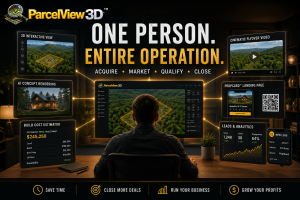
Rather than creating a fixed viewing experience, ParcelView3D focuses on interactive buyer understanding.
Because the biggest challenge in vacant land sales is not awareness. It is confidence.
Visualization of Possibility
One of the biggest obstacles in land sales is helping buyers imagine what could exist.
Many land buyers are not architects or developers.
They struggle to picture:
- Homesites
- Development potential
- Layout possibilities
- Future land use
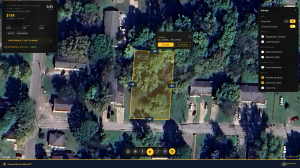
ParcelView3D helps bridge this gap by making vacant land easier to visualize.
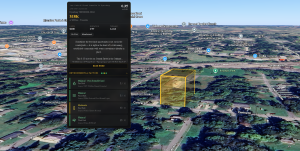
When buyers can better picture possibility, they often stay engaged longer.
And engagement matters.
Easier Sharing
Traditional videos are usually a one-way viewing experience.
Interactive property presentations can be easier to share during:
- Sales conversations
- Text messages
- Email campaigns
- Social media marketing
- Buyer follow-ups
This gives sellers another way to keep buyers engaged throughout the sales process.
Presentation Mode for Sales Conversations
Many land sellers spend time answering the same questions repeatedly.
Presentation tools can help guide buyers visually during conversations and simplify explanations.
Instead of trying to verbally describe a property, sellers can walk buyers through a more structured visual experience.
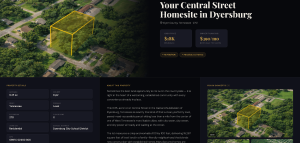
This can help buyers feel more informed before making a decision.
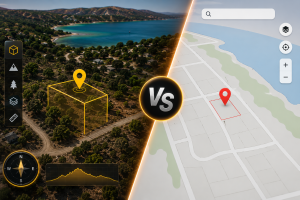
Feature Comparison: ParcelView3D vs Traditional Videography
| Feature | Traditional Videography | ParcelView3D |
|---|---|---|
| Emotional First Impression | ✅ Strong | ✅ Strong |
| Interactive Buyer Experience | ❌ No | ✅ Yes |
| Easy to Update | ❌ Limited | ✅ Easier |
| Scalable Across Listings | ❌ Difficult | ✅ Better for volume |
| Buyer Visualization | ⚠️ Limited | ✅ Strong |
| Shareability | ⚠️ Moderate | ✅ Easy |
| Helps Reduce Buyer Uncertainty | ⚠️ Somewhat | ✅ Strong |
| Sales Presentation Support | ❌ Limited | ✅ Yes |
Which Option Is Better?
This is not always an either-or decision.
For luxury developments or marquee listings, professional videography can absolutely add value.
But for many land sellers—especially those managing multiple listings—interactive property experiences may provide a more scalable way to help buyers understand land.
In many cases, the strongest strategy may be combining both:
• Use videography to attract attention
• Use interactive experiences to build confidence
Because attention gets clicks. But confidence closes deals.
Final Thoughts
Vacant land marketing is evolving.
Traditional videos can help buyers see a property.
But interactive experiences can help buyers understand a property.
And in vacant land sales, understanding often makes the difference between a buyer moving forward—or disappearing.