Why Buyers No Longer Just Want Property Listings — They Want Property Experiences
The way people buy has fundamentally changed.
Consumers no longer make purchasing decisions based solely on specifications, descriptions, or static images. Instead, they increasingly make decisions based on experiences — how a product feels, how clearly they understand it, and how confident they are before committing.
This shift is happening across nearly every major industry, from retail and hospitality to automotive and travel. And now, real estate is beginning to experience the same transformation.
Buyers today are no longer satisfied with basic property listings, a handful of photos, and short descriptions. They want confidence. They want clarity. Most importantly, they want context.
This change is part of what economists call the experience economy — a world where businesses compete not only on price or product, but on the quality of the experience they provide.
For real estate professionals, land investors, agents, and property marketers, this trend represents both a challenge and an opportunity.
The companies that adapt will likely earn more trust, generate more engagement, and reduce buyer hesitation. The ones that don’t may find traditional listing methods becoming less effective over time.
What Is the Experience Economy?
The experience economy is the idea that consumers increasingly value experiences just as much — or sometimes more — than the product itself.
People no longer simply buy products. They buy confidence, convenience, transparency, and emotional certainty.
Real estate buyers are no different.
Real Estate Is Beginning to Catch Up
Historically, real estate marketing focused primarily on information:
• Square footage
• Acreage
• Parcel boundaries
• Property descriptions
• Basic photos
• Price and location
Modern buyers now approach property shopping the same way they shop for nearly everything else: online, visually, and independently.
They want to understand a property before making a phone call. They want fewer unknowns and greater confidence before spending time or money.
Why Traditional Property Listings Are Starting to Feel Outdated
Traditional listings often provide information without enough context.
A buyer may wonder:
• What does the surrounding area actually look like?
• How private is this property?
• What’s nearby?
• What does the terrain feel like?
• What is the property’s overall setting?
These questions often determine buyer confidence.
The Hidden Cost of Buyer Uncertainty
When buyers don’t fully understand a property, they tend to delay decisions.
That hesitation creates hidden costs:
• Longer sales cycles
• Reduced engagement
• More buyer questions
• Higher lead drop-off
• Increased marketing inefficiency
Why Buyer Experience Is Becoming a Competitive Advantage
Companies prioritizing buyer understanding often experience:
• Increased buyer engagement
• Reduced hesitation
• Better quality leads
• Fewer repetitive questions
• Stronger differentiation
The Rise of Experience-Driven Property Marketing
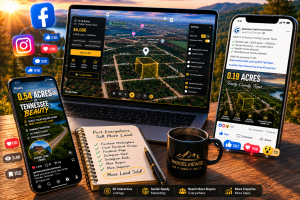
Forward-thinking companies are moving beyond static listings and creating richer property experiences.
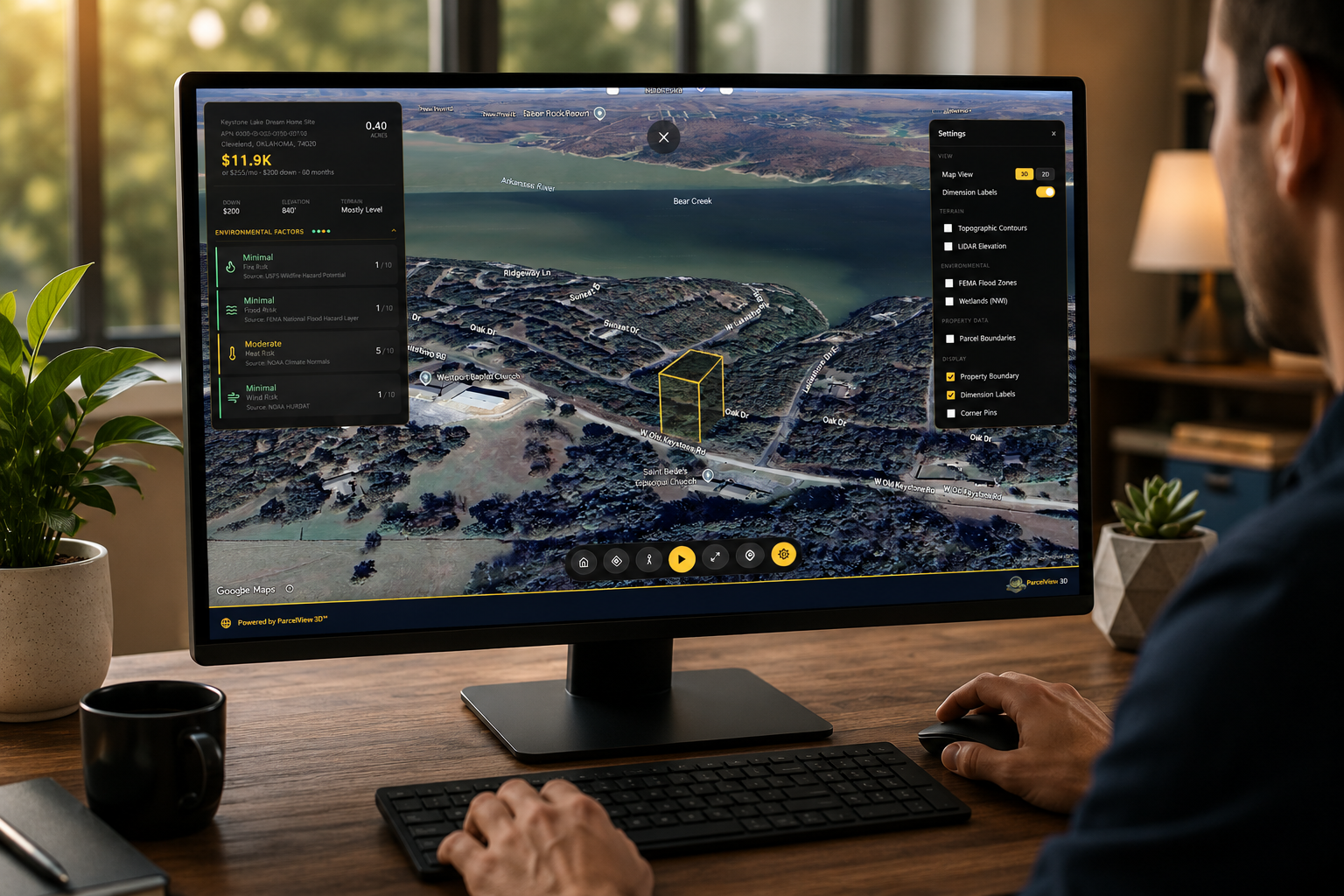
Platforms like ParcelView3D are helping real estate professionals evolve with changing buyer expectations by giving buyers a more complete understanding of property before making a decision.
Why Vacant Land Faces an Even Bigger Challenge
Vacant land is harder to visualize than homes. Buyers often struggle to imagine what the property feels like, what surrounds it, and its long-term potential.
This makes stronger presentation and better context even more important.
The Future of Real Estate Marketing
The future may include:
• More immersive property experiences
• Greater transparency
• Faster remote transactions
• Smarter buyer education
• Less reliance on static listings
Final Thoughts
The experience economy is reshaping real estate.
Today’s buyers want more than listings — they want confidence, clarity, and understanding.
The future of real estate marketing may belong to companies that help buyers experience property, not just view it.