For years, vacant land listings followed a familiar formula: a handful of aerial photos, a parcel map, and a short property description. In many cases, that was enough to generate inquiries. But buyer behavior has changed dramatically.
In 2026, land buyers expect more than photos. They expect clarity, confidence, and a better understanding of what they are actually purchasing before making a decision.
Today’s consumers are accustomed to interactive experiences in nearly every part of life. When shopping for vehicles, buyers can explore every angle online. When booking vacations, they expect immersive visuals and neighborhood context. When purchasing homes, virtual tours and detailed property insights have become standard expectations.
Vacant land is beginning to follow the same trend.
The challenge for land sellers is simple: land is naturally harder to visualize than a house. Buyers often struggle to picture what a property actually feels like, what surrounds it, and whether it truly fits their goals. That uncertainty creates hesitation—and hesitation often leads to lost sales.
Buyer Expectations Have Quietly Changed
Modern consumers are digitally trained. Buyers no longer want to rely solely on imagination. They want to explore before committing. In the land industry, this means buyers increasingly expect property context, clearer visuals, nearby information, and a stronger understanding of the overall environment.
This shift is especially important because more land buyers are purchasing remotely than ever before. Out-of-state investors, recreational buyers, retirees, and future homeowners often evaluate properties without physically visiting them first. The better the online experience, the more confidence buyers tend to have.
Why Photos Alone Often Fail in Vacant Land Sales
Unlike homes, vacant land lacks obvious visual anchors. A home buyer can instantly understand a kitchen, bedroom, or living room. Vacant land requires imagination.
Questions naturally arise:
• Is the land flat?
• What does the area actually look like?
• How private is it?
• What is nearby?
• Could I realistically build here?
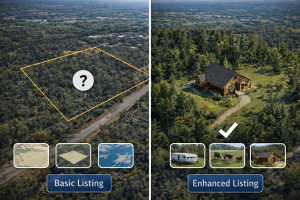
A few aerial photos rarely answer these questions. Static listings often create more uncertainty than confidence.
The Hidden Cost of Buyer Uncertainty
One of the biggest misconceptions in land sales is believing buyers disappear because they lose interest. In reality, many buyers ghost deals because uncertainty outweighs excitement.
When buyers feel confused, they delay. When they delay, they often disappear altogether.
Uncertainty increases friction. If buyers struggle to understand terrain, surroundings, or usability, hesitation grows. Sellers who reduce confusion often create a better buying experience and stronger engagement.
Why Interactive Property Experiences Are Growing
Across real estate, the shift toward richer property experiences is already happening. Buyers increasingly want context, transparency, and confidence before making decisions.
In land sales, this trend includes better property visualization, more detailed information, and improved ways for buyers to explore a property remotely. Sellers who adapt to these changing expectations are often better positioned to stand out in increasingly competitive markets.
How ParcelView3D Fits Into This Industry Shift
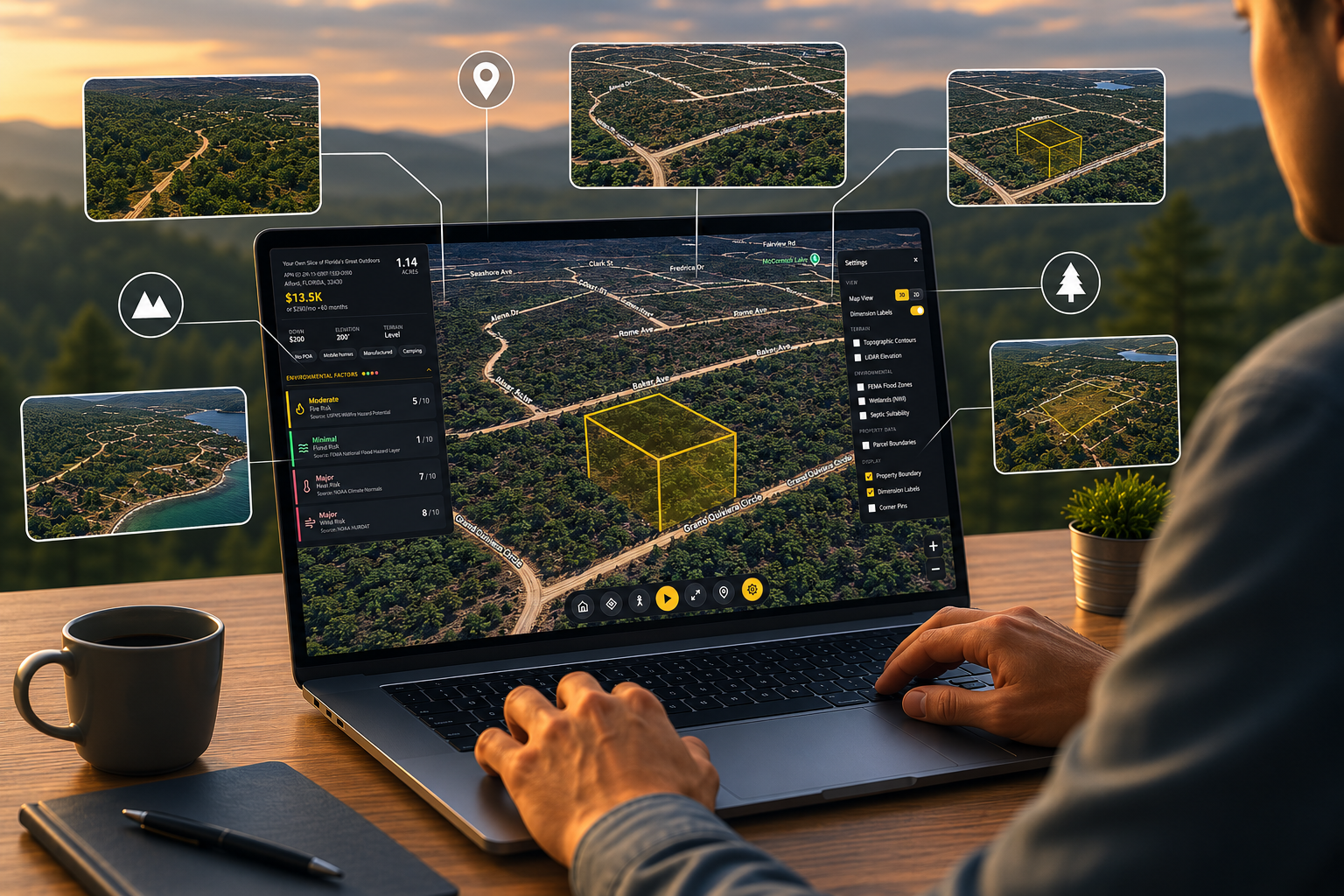
Platforms like ParcelView3D are benefiting from this shift because they help sellers move beyond static listings and offer buyers a more complete understanding of a property.
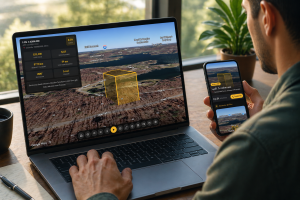
Instead of relying only on photos, sellers can help buyers better understand terrain, surrounding areas, environmental context, and overall property feel. This creates a more informed buyer experience and helps reduce the uncertainty that often slows down purchasing decisions.
As expectations continue evolving, tools that improve property understanding are becoming increasingly valuable in the land industry.
The Future of Land Sales
Looking ahead, buyer expectations will likely continue evolving. By the end of the decade, many buyers may view interactive property experiences as standard rather than optional.
The future of land marketing is not simply about listing more properties—it is about helping buyers understand them.
In a competitive market where trust and confidence matter more than ever, sellers who help reduce uncertainty may ultimately have the greatest advantage.