Introduction
The land investing business has changed dramatically over the last few years. Traditional methods—basic listing pages, a few aerial photos, and generic descriptions—are becoming less effective in an increasingly competitive environment. Buyers today expect more information, better visuals, and more confidence before making a purchasing decision.
In 2026, successful land investors are no longer simply listing property. They are building experiences around their listings. The investors getting more engagement are helping buyers understand not only what a property is, but what it could become.
This shift is creating a major divide in the industry: investors who continue relying on older marketing strategies and those who are embracing modern tools, better visualization, and more transparent property experiences.
Why Traditional Land Marketing Is Losing Effectiveness
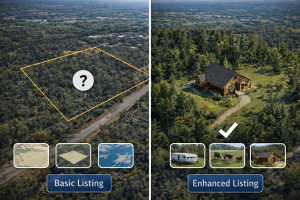
For years, vacant land marketing remained relatively unchanged. Investors uploaded a few satellite images, maybe a county GIS screenshot, and a short property description. While that worked in less competitive markets, buyer expectations have evolved.
Raw land is inherently more difficult to sell than residential homes because buyers cannot immediately imagine what life there looks like. A house already tells a story. Land does not.
Without context, buyers often ask:
• Can I build here?
• What does the terrain feel like?
• Is the property usable?
• What is nearby?
When buyers cannot answer these questions quickly, uncertainty grows—and uncertainty often kills momentum.
The Rise of Interactive Property Experiences
One of the biggest trends in land investing is the move toward interactive property experiences.
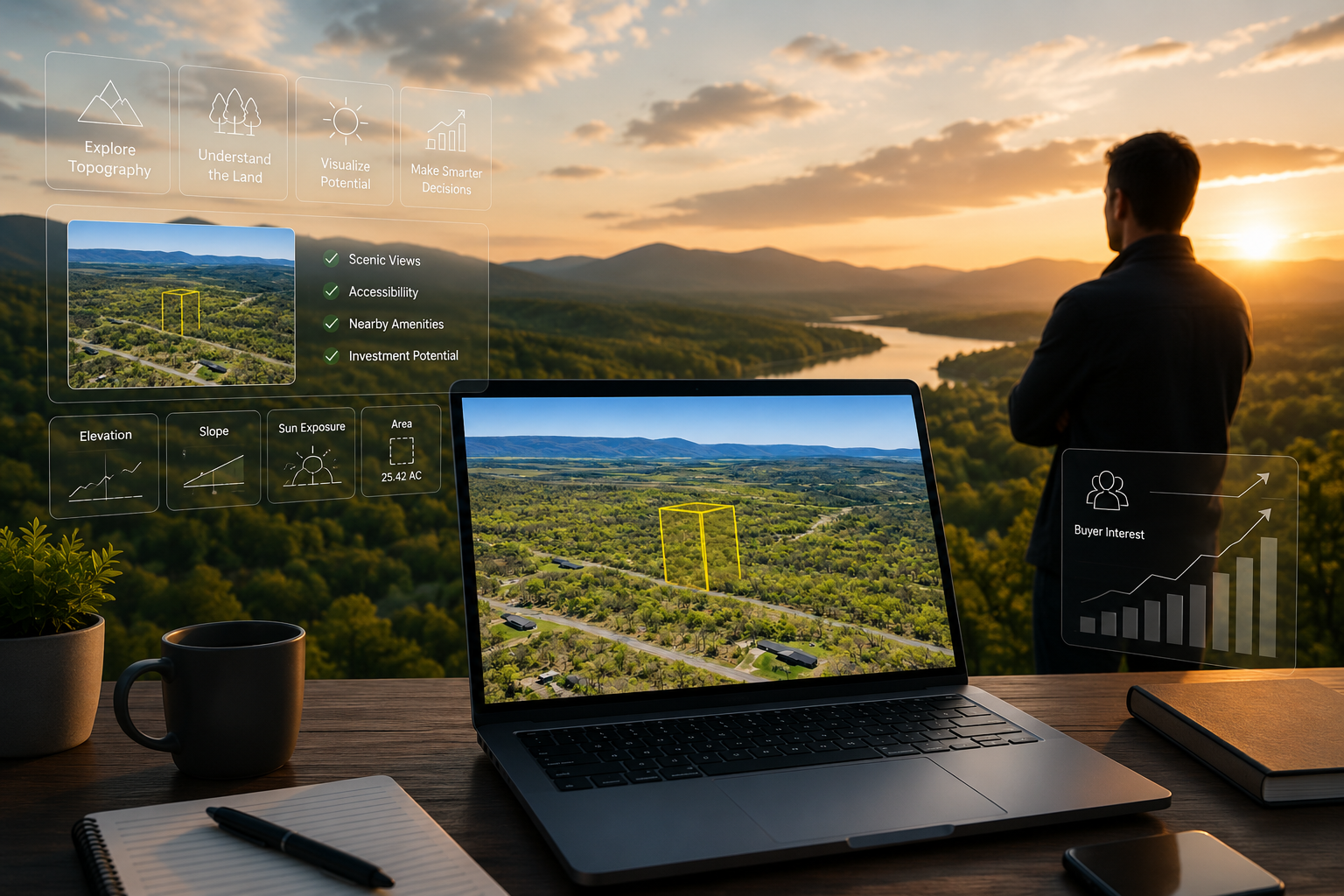
Instead of relying solely on flat images, investors are beginning to present properties in ways that feel more immersive and educational. Buyers increasingly want to explore property visually before making inquiries.
This trend mirrors larger consumer behavior shifts happening across industries. Consumers expect digital experiences that help them make faster and more informed decisions.
Forward-thinking investors are learning that presentation is no longer optional. It is becoming a competitive advantage.
Changing Buyer Expectations in 2026
Today’s buyer expects speed, clarity, and confidence.
Many land buyers make emotional decisions before they ever step foot on a property. If they cannot understand what a parcel looks like or imagine how they might use it, they move on to the next listing.
Modern investors are responding by improving:
• Property visuals
• Listing presentation
• Buyer education
• Transparency
• Digital engagement
The result is a smoother buying experience and fewer repetitive buyer questions.
How ParcelView3D Supports Modern Land Marketing
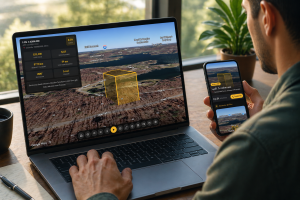
Platforms such as ParcelView3D are helping investors modernize how they showcase property.
Instead of relying on static listing formats, many investors are adopting interactive property presentation strategies that provide buyers with more context and confidence.
This helps investors create a stronger first impression while reducing confusion around terrain, access, surroundings, and property possibilities.
Learn more at https://parcelview3d.com/
For additional marketing insights, visit:
https://parcelview3d.com/
Why Buyer Confidence Is the Real Conversion Tool
Many investors mistakenly believe that more leads solve sales problems. In reality, stronger buyer confidence often matters more than higher lead volume.
The best land marketers understand that the buying process starts long before a phone call. Buyers mentally qualify a property based on how confident they feel about understanding it.
Modern marketing reduces hesitation. Better visualization, clearer information, and improved presentation help buyers move forward faster.
The Future of Land Marketing
The future of land marketing is moving toward clarity, confidence, and interactivity.
The investors who continue relying only on static listing pages may struggle to keep attention. Meanwhile, investors adopting better visualization and stronger digital experiences are positioning themselves ahead of the curve.
In 2026 and beyond, modern land marketing is no longer about simply showing land. It is about helping buyers understand possibility.
Modern land investors are increasingly recognizing that buyer education and presentation quality directly impact conversion rates. When buyers can better understand a property remotely, they tend to engage more confidently, ask better questions, and move through the sales process faster. As competition increases, strong marketing becomes less of a luxury and more of a necessity.